
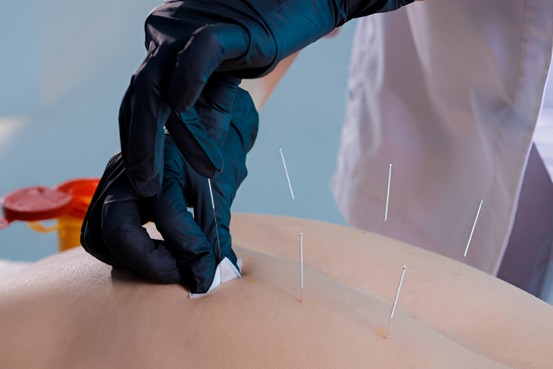
Dry needling is a widely used physiotherapy technique for relieving muscle pain and improving movement. At Enhanced Physio, many patients ask how the treatment works and whether it is safe. Online misinformation often creates confusion. In reality, dry needling is a clinically guided treatment performed by trained physiotherapists to release muscle trigger points, reduce tension, and support recovery. Understanding the facts helps patients make informed decisions about their rehabilitation and pain management.
Key Takeaways
- Dry needling is a physiotherapy treatment, not acupuncture
- The procedure is typically quick and well-tolerated
- Scientific evidence supports its role in pain relief
- Trained physiotherapists perform the treatment safely
- It is commonly used in sports injury rehabilitation
Understanding Dry Needling in Physiotherapy
Dry needling is a physiotherapy technique used to release myofascial trigger points, which are tight areas within muscle tissue that can cause pain and restrict movement. By targeting these trigger points, physiotherapists aim to reduce muscle tension, improve mobility, and support recovery.
Unlike acupuncture, which is based on traditional Chinese medicine, dry needling follows modern anatomical and neurological principles. It focuses on treating musculoskeletal conditions through clinically guided techniques.
Dry needling is used to manage muscle pain, improve joint movement, and support rehabilitation. Research indicates that dry needling may help reduce muscle tightness and improve functional movement when performed correctly.
Key points about dry needling include:
- Targets myofascial trigger points within tight muscle bands
- Helps reduce muscle tension and discomfort
- Supports improved mobility and joint movement
- Assists musculoskeletal rehabilitation programs
- Based on modern clinical and anatomical principles
Dry needling involves inserting very fine, sterile needles into specific points within muscles known as trigger points. The aim is to relieve muscle tightness, reduce pain, and improve mobility. However, many people still misunderstand how it works, what it treats, and how safe it really is.
Below are six jaw-dropping myths about dry needling, and the truth behind them.
1. Dry Needling Is the Same as Acupuncture
One of the most common myths is that dry needling and acupuncture are the same treatment. While both techniques use thin needles, their philosophy, purposes, and approaches are quite different.
Acupuncture is rooted in traditional Chinese medicine and focuses on balancing the body’s energy flow, often referred to as “Qi.” Dry needling, on the other hand, is based on modern Western medicine and musculoskeletal science. It specifically targets muscle trigger points to relieve pain and restore movement.
Key differences between dry needling and acupuncture include:
- Dry needling focuses on muscle trigger points
- Acupuncture follows traditional Chinese medicine principles
- Dry needling is typically used in physiotherapy and sports medicine
- Acupuncture addresses broader energy and wellness concepts
While the tools may look similar, the treatment goals and scientific foundations are quite different.
2. Dry Needling Is Extremely Painful
Another widespread myth is that dry needling causes significant pain. In reality, most people experience very little discomfort during the procedure.
The needles used in dry needling are extremely thin, much thinner than those used for injections. When inserted into a trigger point, the needle may cause a brief twitch response in the muscle. This twitch is actually a positive sign that the muscle is releasing tension.
Typical sensations during dry needling may include:
- A mild muscle twitch
- A brief ache or pressure sensation
- Slight heaviness in the treated muscle
- Temporary soreness after treatment
For most patients, the discomfort is minimal and short-lived, often followed by noticeable relief in muscle tension.
3. Dry Needling Is Dangerous
Some people worry that inserting needles into muscles could be risky. However, when performed by trained professionals such as physiotherapists with proper certification, dry needling is considered a safe and regulated treatment.
Health practitioners in Australia must undergo specialised training to perform dry needling safely. They follow strict hygiene and safety standards, including the use of sterile, single-use needles.
Safety measures typically include:
- Sterile disposable needles
- Proper anatomical knowledge of muscles and nerves
- Thorough patient assessment before treatment
- Professional training and certification
Like any medical procedure, minor side effects such as temporary soreness or slight bruising can occur, but serious complications are rare when the treatment is performed by qualified practitioners.
4. Dry Needling Only Treats Sports Injuries
Many people assume dry needling is only used for athletes or sports injuries. While it is commonly used in sports physiotherapy, the treatment can help with a wide range of musculoskeletal conditions.
Muscle trigger points can develop from many causes, including poor posture, repetitive movements, stress, and sedentary lifestyles. Because of this, dry needling is often used to treat everyday muscle aches and pains, not just athletic injuries.
Conditions that may benefit from dry needling include:
- Neck and shoulder tension
- Lower back pain
- Headaches related to muscle tightness
- Hip and knee pain
- Postural muscle strain
- Workplace or desk-related muscle discomfort
This makes dry needling a useful option for many people, including office workers and individuals experiencing chronic muscle pain.
5. One Session Will Completely Fix the Problem
Some patients expect instant results after a single dry needling session. While relief can sometimes occur quickly, most conditions require multiple treatments combined with other therapies.
Dry needling is typically used as part of a broader physiotherapy program that may include exercise therapy, stretching exercises, posture correction, and strengthening work. Treating the underlying cause of muscle tension is essential for long-term improvement.
Recovery plans may involve:
- Several dry needling sessions
- Corrective exercise programs
- Stretching routines
- Postural adjustments
- Strength training for supporting muscles
The number of sessions required depends on the severity of the condition, the duration of symptoms, and the individual’s overall health.
6. Dry Needling Works Only on Muscles
While dry needling primarily targets muscle trigger points, its effects can extend beyond the muscles themselves. By releasing tight muscle fibres and improving blood flow, the treatment can influence surrounding tissues and the nervous system.
Trigger points can sometimes refer pain to other parts of the body. For example, a tight muscle in the shoulder may cause pain that radiates into the neck or head. Treating the trigger point can help reduce both the local pain and the referred pain pattern.
Benefits of dry needling may include:
- Reduced muscle tension
- Improved joint movement
- Increased blood circulation
- Decreased nerve irritation
- Better muscle activation during movement
These effects can contribute to improved mobility and function in everyday activities.
When Dry Needling May Be Recommended
Physiotherapists may suggest dry needling for conditions involving muscle tightness or trigger points.
Common situations include:
- Sports injuries
- Muscle strains
- Chronic tension patterns
- Restricted joint movement
A physiotherapist will assess the injury and determine whether the treatment is appropriate.
What to Expect During a Dry Needling Session
Patients often feel uncertain before their first treatment. Knowing what happens during a dry needling session can help reduce anxiety.
Typical steps include:
- Assessment of the affected muscles
- Identification of trigger points
- Insertion of a thin sterile needle
- Gentle stimulation of the muscle
The procedure usually takes only a few minutes.
Many patients notice improved mobility and reduced muscle tension shortly after treatment.
Conclusion
Dry needling is often misunderstood, yet it is an effective physiotherapy technique for reducing muscle pain and improving mobility. When performed by trained professionals, it supports rehabilitation and helps restore normal movement. Understanding the facts allows patients to approach treatment with confidence. If you are dealing with ongoing muscle tension or recovering from an injury, the team at Enhanced Physio can help. Contact us today to discuss how dry needling and physiotherapy treatment can support your recovery.
FAQs:
What does dry needling treat?
Dry needling is commonly used to treat muscle pain, trigger points, sports injuries, and movement restrictions.
Is dry needling safe?
Yes. When performed by trained physiotherapists, dry needling is considered a safe and controlled treatment.
Does dry needling hurt?
Most patients feel only mild discomfort or a brief twitch sensation during treatment.
How long does a dry needling session take?
A session usually takes only a few minutes, although it may be combined with other physiotherapy treatments.
How many sessions are required?
The number of sessions depends on the injury, severity of symptoms, and overall rehabilitation plan.
Is dry needling the same as acupuncture?
No. Dry needling is based on modern musculoskeletal science, while acupuncture originates from traditional Chinese medicine.