
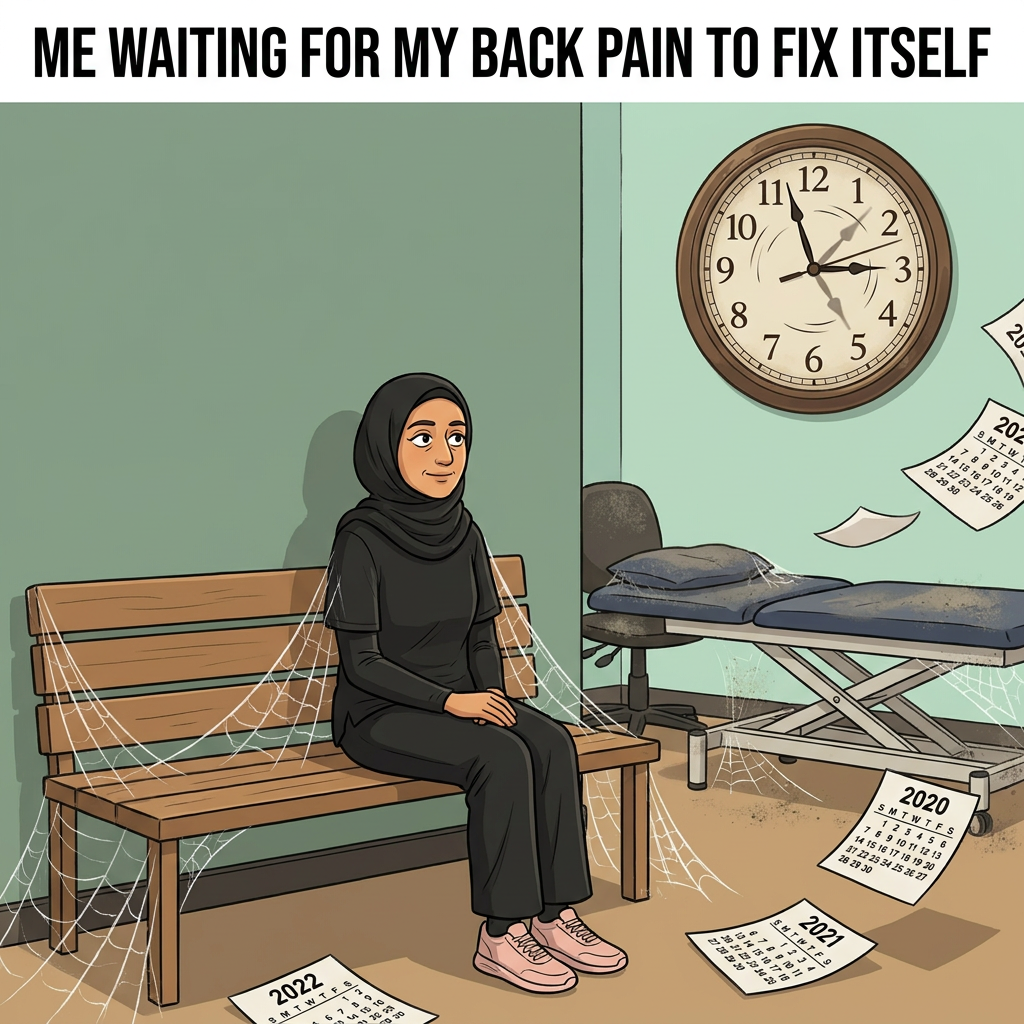
Most people’s first response to back pain is simple:
“I’ll just wait it out.”
And sometimes, that’s completely reasonable. A lot of back pain does improve over time.
But when pain sticks around, keeps returning, or starts affecting your daily life, waiting alone can turn into a long and frustrating cycle.
The “Wait and See” Approach
Waiting out back pain often looks like:
- Reducing activity for a few days
- Hoping it settles on its own
- Avoiding movements that feel uncomfortable
- Gradually going back to normal once it feels better
In some cases, this works well — especially for mild strains or short-term irritation.
The problem is when recovery doesn’t follow the expected timeline.
Why Back Pain Doesn’t Always Just Disappear
Back pain is rarely just one simple issue. It’s influenced by many factors, such as:
- Muscle stiffness or weakness
- Sudden changes in activity or load
- Long periods of sitting
- Stress and fatigue
- Reduced movement over time
- Sensitivity of the nervous system
Because of this, pain doesn’t always follow a straight “injury → rest → recovery” path.
When Waiting Starts to Backfire
Rest can help early on, but too much waiting can sometimes lead to:
- Stiffness building up
- Muscles becoming deconditioned
- Fear of movement increasing
- Reduced confidence in your back
- Pain becoming more sensitive over time
So instead of improving, things can feel like they plateau or keep returning.
The Expectation Problem
One of the biggest challenges with back pain is expectations.
Many people expect:
“If I just rest long enough, it should fully go away.”
But in reality, back pain often improves through:
- Gradual movement
- Progressive loading (slowly building strength)
- Returning to normal activity safely
- Addressing movement habits and daily loads
Healing is often more active than people expect.
A Better Approach Than Just Waiting
Instead of only waiting, a more helpful question is:
“What can I safely do while this is improving?”
That might include:
- Gentle movement throughout the day
- Short walks or light activity
- Basic mobility work
- Gradual return to exercise
- Avoiding long periods of complete rest
The goal isn’t to push through pain — it’s to keep the body moving in a controlled way.
Common Reasons Back Pain Lingers
If back pain isn’t improving as expected, common contributing factors include:
- Staying too still for too long
- Avoiding movement out of fear
- Returning to full activity too quickly after rest
- Weak or underused core and hip muscles
- Repetitive daily strain (work, lifting, posture)
Often, it’s not one big problem — it’s a combination of small ones.
When It’s Time to Get It Checked
It’s worth seeking professional advice if:
- Pain keeps coming back
- It’s not improving over time
- It’s affecting work, sleep, or daily activity
- You feel unsure what is safe to do
- You’re stuck in cycles of rest and flare-ups
What Physiotherapists Can Do In Addition to Waiting
Physiotherapists don’t just tell you to rest — and they don’t just tell you to “push through” either.
They can help by:
- Identifying what’s actually driving your back pain
- Checking movement, strength, and load tolerance
- Creating a graded return-to-activity plan
- Reducing pain through guided movement strategies
- Improving confidence in bending, lifting, and moving
- Preventing recurring flare-ups
The focus is usually on building resilience, not just waiting for symptoms to disappear.
Final Thoughts
Waiting out back pain can work in the short term, especially for mild issues.
But when pain lingers, the solution often isn’t more waiting — it’s more appropriate movement, guidance, and gradual loading.
Your back is designed to move and adapt.