
Published by Enhanced Physio. No named clinical reviewer is credited on this article.
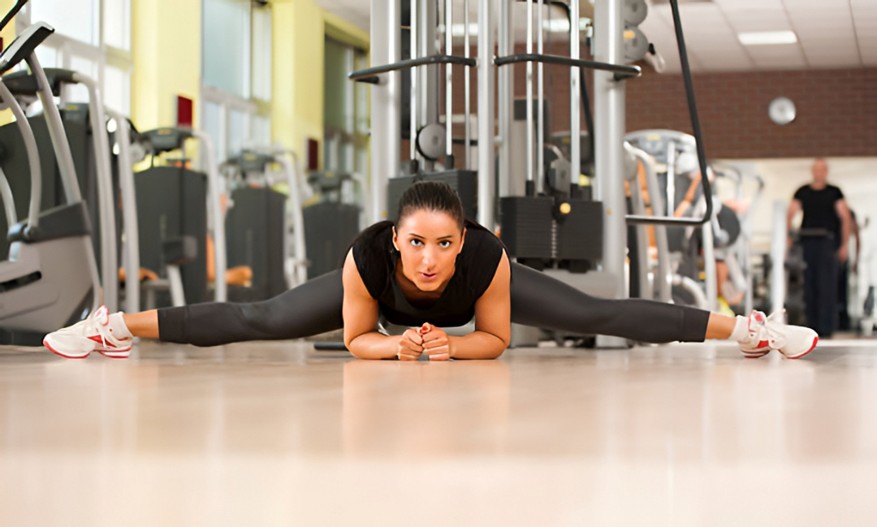
You stretch regularly, yet your hamstrings, neck or calves still feel tight. It is a common frustration, and it often means stretching is not addressing the real cause. At Enhanced Physio, we help people in Runcorn and Southport understand why tightness lingers and what actually helps. This guide explains the most common reasons muscles stay tight and the steps that bring lasting relief.
Key Takeaways
- Tightness is often a feeling, not a short muscle.
- Weakness and fatigue can make muscles feel tight.
- Stress, poor sleep, and long sitting add to tension.
- Strength training often helps more than stretching alone.
- Persistent tightness deserves a professional assessment.
Tightness Is More Than Muscle Length
Many people assume a tight muscle is a short muscle. If that were true, regular stretching would solve the problem. In reality, the feeling of tightness is shaped by your nervous system, your strength, your habits and even your stress levels.
Musculoskeletal complaints are very common in Australia. According to the Australian Bureau of Statistics, 15.7 per cent of people had back problems and 14.5 per cent had arthritis in 2022. Muscle tension often sits alongside these conditions.
Understanding why tightness persists is the first step toward easing it.
1. Your Nervous System Is Protecting You
Tightness is often a protective response. When your brain senses a threat, such as an old injury, fatigue or instability, it can increase muscle tension to guard the area.
Research supports this idea. A randomised trial by Sydney researchers, published in Physical Therapy and summarised on PEDro, asked people with chronic musculoskeletal pain to stretch one hamstring daily for three weeks. Stretching did not increase muscle length. Instead, it improved stretch tolerance, meaning people became more comfortable with the stretch.
In other words, stretching often changes how a muscle feels rather than how long it is. That is why the relief can fade quickly.
2. The Muscle Is Weak or Fatigued
A weak muscle often feels tight because it is working hard to keep up. Muscles that are overloaded or fatigued may stay switched on to protect nearby joints.
Common examples include:
- Hamstrings working hard because the glutes are weak
- Upper trapezius straining to support the neck during desk work
- Calves tiring quickly during running or long periods of standing
- Hip flexors compensating for weak core muscles
Your Time Magazine shared the view of an exercise physiologist who explained that stretching works mainly through the nervous system to help muscles relax. Lasting changes in flexibility come mainly from resistance training.
3. You Sit for Long Periods
Long hours at a desk, in the car or on the couch can leave muscles feeling stiff and restricted. The hip flexors, hamstrings, neck and upper back are often affected.
A Safe Work Australia review reported by Safety Solutions found that roughly half of Australian workers sit often or for their entire working day. The review warned that sitting for longer than 30 minutes without a short break is likely to be harmful to health.
Helpful habits include:
- Stand up every 30 minutes, even briefly.
- Take phone calls standing or while walking.
- Adjust your workstation so screens sit at eye level.
- Walk during breaks instead of staying seated.
4. Stress Is Keeping You Tense
Emotional stress shows up in the body. When you feel anxious or under pressure, your muscles may stay partly contracted for long periods.
SANE Australia lists muscle tension as a physical symptom of anxiety, including aching in the back, shoulders or jaw. It also notes that people do not always realise these symptoms are linked to anxiety.
Relaxation strategies such as slow breathing, regular exercise and time outdoors can help reduce this ongoing tension.
5. You Are Not Sleeping Well
Sleep is when your body recovers. Poor sleep can increase pain sensitivity and leave muscles feeling heavy and tense.
The Sleep Health Foundation reported that 46 per cent of Australians say poor sleep affects their work or study. It also found that people with back pain or mental health conditions sleep the least, averaging 6.7 hours a night.
Simple steps such as keeping a regular bedtime, limiting screens before bed and reducing caffeine later in the day can support recovery.
6. An Old Injury Has Changed How You Move
After an injury, the body often changes how it moves to protect the area. These patterns can remain long after healing, placing extra load on nearby muscles.
For example, an old ankle sprain may change how you walk, leading to tight calves or hips. Without retraining movement, stretching alone rarely resolves this tightness.
7. Nerves Can Feel Like Tight Muscles
Sometimes the problem is not the muscle at all. Irritated or sensitive nerves can create a pulling or tight sensation, especially in the back of the leg or down the arm.
Signs that nerves may be involved include:
- Tingling, burning or numbness
- Tightness that changes with neck or back position
- Symptoms that travel along the limb
- Stretching that makes symptoms worse
If you notice these signs, avoid forceful stretching and seek a professional assessment.
What Helps More Than Stretching Alone?
Stretching still has a place. It can feel good and help you relax. However, lasting relief usually comes from a broader approach.
Strength Training
Building strength gives muscles the capacity to handle daily demands. Research from Edith Cowan University, published in Medicine and Science in Sport and Exercise, found that six weeks of loading a muscle while it lengthened increased range of motion and strength, while reducing passive muscle stiffness.
Strength becomes even more important with age. Medical Republic reported that sarcopenia, the loss of muscle mass and strength, affects almost one in three older people, with resistance exercise recommended for everyone affected.
An exercise scientist quoted in The Canberra Times recommends that older adults complete muscle strengthening activities on two or more days each week.
Regular Movement
Frequent movement throughout the day often eases stiffness better than one long stretching session. Walking, mobility exercises and short breaks all help.
Hands On Treatment
Soft tissue therapy, joint mobilisation and dry needling can reduce muscle tension and make it easier to move and exercise.
Recovery Habits
- Prioritise consistent, quality sleep
- Stay hydrated throughout the day
- Manage stress with relaxation techniques
- Increase training load gradually
When to See a Physiotherapist?
Consider a professional assessment if:
- Tightness has lasted more than a few weeks
- It limits work, sport or daily activities
- You feel tingling, numbness or weakness
- Tightness keeps returning in the same area
- Stretching makes symptoms worse
At Enhanced Physio, physiotherapy services identify the underlying cause of tightness and create a tailored plan that combines treatment, exercise and education.
Conclusion
Muscles that feel tight after stretching are often protected, weak, fatigued or affected by stress, sleep and long sitting. Stretching may bring short term relief, but strength, movement and good recovery habits usually create lasting change. Contact us today to book an assessment and discover a personalised plan that helps you move freely and comfortably.
FAQs:
Why are my muscles always tight no matter how much I stretch?
Ongoing tightness often comes from weakness, fatigue, stress, poor sleep or protective tension rather than short muscles.
Does stretching actually lengthen muscles?
Research suggests regular stretching mainly improves stretch tolerance, helping muscles feel more comfortable rather than physically longer.
Can weak muscles feel tight?
Yes. Weak or fatigued muscles often feel tight because they work harder to support movement and protect joints.
Can stress cause muscle tightness?
Yes. Stress and anxiety can keep muscles partly contracted, often causing tension in the neck, shoulders, back and jaw.
Is it better to stretch or strengthen tight muscles?
Both can help, but strength training often provides longer lasting relief by improving muscle capacity and control.
When should I see a physio for tight muscles?
See a physio if tightness persists for weeks, limits activity, keeps returning or comes with tingling or numbness.