
Recovering from a sports injury can feel like waiting in a queue that never moves. At Enhanced Physio, we see this frustration often, and we know that the right treatment speeds things up far more than rest and hope ever could. This article looks at how physiotherapy actually shortens recovery time, restores strength, and gets you back to the activity you love with confidence.
Key Takeaways
- Guided movement generally beats complete rest for most sports injuries.
- A physiotherapy assessment finds the true cause of pain, not just the symptom.
- Recovery works best in stages, from protection through to sport specific training.
- Hands on treatment paired with exercise produces faster, longer lasting results.
- Enhanced Physio builds recovery plans around your sport and your goals.
Why Rest Alone Often Falls Short
Many people assume that time heals a sports injury on its own. Sometimes it does, but often the tissue heals in a shortened, weakened state that leaves you vulnerable to the same injury again. Prolonged inactivity can also lead to stiffness and muscle loss, which slows recovery rather than speeding it along. Muscles lose strength quickly once they stop working, and joints that sit still for too long become harder to move freely again. Physiotherapy replaces guesswork with a structured plan, built around what your body actually needs at each stage, rather than a one size fits all approach.
The First 48 Hours: Protecting the Injury
Early management matters more than most people realise. In the initial days after a sprain, strain or knock, the goal is to control pain and swelling while protecting the injured area from further damage. This does not mean total inactivity. Gentle, guided movement within a safe range keeps blood flowing to the area and prevents the joint or muscle from stiffening up. A physiotherapist can tell you exactly which movements help and which ones to avoid during this window, taking away the guesswork that so often leads to setbacks in the first week.
Restoring Movement and Strength
Once the acute pain settles, physiotherapy shifts toward rebuilding range of motion and strength. This stage is often where recovery stalls without proper guidance, since people either push too hard or stay too cautious. Progressive strengthening also helps restore coordination, balance and joint stability, which are often affected after injury. Reintroducing these qualities gradually improves confidence during movement and prepares the body for higher training loads without placing unnecessary stress on healing tissues. Exercise Right, the public education arm of Exercise and Sports Science Australia, notes that targeted exercise plays a key role in injury recovery by helping people regain full function safely and confidently.
Hands On Treatment and Its Role
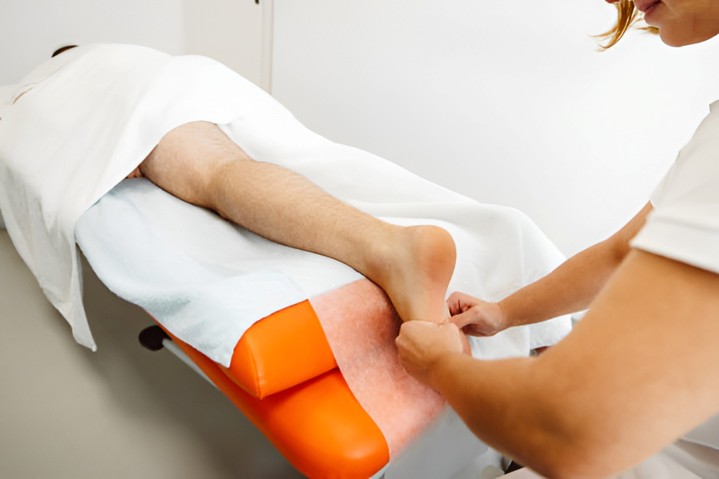
Manual therapy, including soft tissue work and joint mobilisation, still has a place in modern recovery. It helps ease pain and improve movement quality in the early stages, making it easier to complete the exercises that drive long term healing. While hands on techniques may provide short term symptom relief, lasting improvement depends on restoring strength, flexibility and movement control through exercise. Combining both approaches allows treatment to address immediate discomfort while supporting better long term physical function and resilience. Physiotherapy service at Enhanced Physio combines this hands on approach with active rehabilitation, rather than relying on one or the other alone, since the two work best when used together.
Sport Specific Rehabilitation
Generic exercises only take recovery so far. A footballer, a swimmer and a weightlifter place very different demands on their bodies, so the final stage of rehabilitation should reflect the sport you are returning to. This is where physiotherapists build in movements that mirror your training, testing strength, control and confidence before clearing you to return. A consensus statement from the Journal of Science and Medicine in Sport, the official journal of Sports Medicine Australia, describes return to sport as a decision made collaboratively between the athlete and their treating team, rather than a fixed date circled on a calendar.
Preventing Re Injury
Getting back to sport is not the finish line. Without addressing the factors that caused the injury in the first place, whether that is muscle imbalance, poor technique or a sudden jump in training load, the same problem tends to resurface within a season or two. Elite sporting events rely heavily on this kind of preventative thinking, with dozens of specialist physiotherapists supporting athletes at events such as the Commonwealth Games to keep them performing at their best. Several practical habits help reduce the risk of repeat injuries at home.
Setting Realistic Recovery Timelines
Every injury and every body responds differently, so timelines should always be treated as a guide rather than a guarantee. A physiotherapist adjusts your plan as you progress, using clear markers of readiness such as strength, balance and pain levels rather than the calendar alone. Regular reassessment ensures your rehabilitation progresses safely, with exercises adjusted to match your recovery and functional goals as they improve. This approach keeps recovery honest, reduces the temptation to return too soon, and gives you confidence that your body is genuinely ready rather than simply pain free for the moment.
Conclusion
Physiotherapy turns a frustrating recovery into a clear, guided process built around evidence rather than guesswork. If a sports injury is holding you back, get in touch with us and let us help you build a plan that gets you back to full strength.
FAQs:
How does physiotherapy speed up recovery from a sports injury?
It combines guided movement, hands-on treatment and staged exercise, which restores function faster than rest alone.
Is it normal to feel some discomfort during physiotherapy exercises?
Mild discomfort can be normal, but sharp or worsening pain should always be reported to your physiotherapist promptly.
How many physiotherapy sessions will I need after a sports injury?
This depends on the injury and its severity, though your physiotherapist will outline a general plan early on.
Can I keep exercising while recovering from an injury?
Often yes, with modifications. Complete rest is rarely recommended unless your physiotherapist specifically advises it.
When is it safe to return to sport after an injury?
When strength, movement and confidence meet set benchmarks, not simply when pain has disappeared.
Do I need a referral to start physiotherapy in Australia?
No, physiotherapists are first-contact practitioners, so you can book directly without seeing a doctor first.