
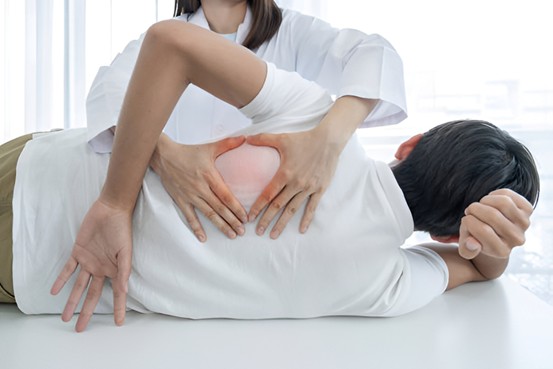
Recovering from an injury can be challenging, especially when stiffness, weakness, and restricted movement affect daily activities. At Enhanced Physio, improving mobility is a key step in helping patients return to normal function. Recovery involves more than rest, it requires guided movement, strengthening exercises, and gradual loading of muscles and joints. When applied correctly, these techniques improve flexibility, rebuild strength, and support safe recovery after injury.
Key Takeaways
- Early movement supports faster recovery
- Controlled exercises improve joint mobility
- Strength rebuilding protects against reinjury
- Physiotherapy guidance improves outcomes
- Consistency matters more than intensity
Improving mobility after injury requires patience, consistency, and the right techniques. A combination of gentle exercises, rehabilitation strategies, and healthy lifestyle habits can help restore movement while reducing the risk of re-injury. Below are eight powerful techniques that can support mobility recovery and help individuals regain confidence in their physical abilities.
1. Start with Gentle Range-of-Motion Exercises
Range-of-motion exercises are often the first step in mobility recovery. These exercises focus on slowly moving a joint through its natural range without placing excessive stress on the injured area.
After an injury, joints can become stiff due to swelling, reduced movement, or muscle tightness. Gentle movement helps maintain flexibility and prevents the joint from becoming restricted over time.
Benefits of range-of-motion exercises include:
- Preventing joint stiffness
- Improving circulation to injured tissues
- Maintaining flexibility in muscles and ligaments
- Reducing pain caused by immobility
Examples include ankle circles, shoulder rotations, and knee bends performed slowly and carefully.
2. Incorporate Stretching into Your Routine
Stretching plays a key role in restoring mobility after injury. When muscles tighten around an injured area, they can limit movement and create discomfort during everyday tasks.
Regular stretching helps lengthen muscles and improve flexibility, which gradually restores the joint’s full movement potential.
Effective stretching strategies include:
- Performing dynamic stretches during warm-ups
- Using static stretches after exercise
- Holding stretches for 15–30 seconds
- Stretching gently without forcing the joint
Consistency is essential. Stretching for a few minutes each day can gradually improve flexibility and reduce stiffness.
3. Strengthen Supporting Muscles
Injuries often weaken the muscles surrounding the affected area. Strengthening these muscles is crucial for restoring stability and protecting joints from further damage.
Strength training doesn’t necessarily mean lifting heavy weights. Many rehabilitation exercises use light resistance bands, bodyweight movements, or physiotherapy exercises to rebuild muscle strength safely.
Muscle strengthening provides several benefits:
- Improves joint stability
- Reduces pressure on injured tissues
- Restores balance and coordination
- Helps prevent future injuries
Exercises should focus on controlled movements and proper form rather than intensity.
4. Use Low-Impact Cardio Exercises
Low-impact exercise can help improve mobility while also supporting overall health. Activities that keep the body moving without placing excessive strain on joints are ideal during injury recovery.
These exercises encourage circulation, which helps deliver oxygen and nutrients to healing tissues.
Examples of low-impact cardio include:
- Walking at a comfortable pace
- Swimming or water aerobics
- Stationary cycling
- Light elliptical training
These activities allow individuals to stay active while gradually improving endurance and movement.
5. Practise Balance and Stability Training
After an injury, balance and coordination can often decline. This is especially common with ankle, knee, or hip injuries, where stabilising muscles may become weaker.
Balance training helps retrain the body’s neuromuscular system, which controls how muscles respond to movement and maintain stability.
Simple balance exercises include:
- Standing on one leg
- Using a balance board or stability cushion
- Performing slow heel-to-toe walking
- Practising controlled bodyweight movements
- Self-Assessment & injury prevention strategies
Improving balance reduces the risk of falls and strengthens the muscles responsible for stabilising joints.
6. Apply Heat and Cold Therapy
Temperature therapy can be an effective method for managing pain and improving mobility during recovery. Both heat and cold therapy treatments play different roles depending on the stage of healing.
Cold therapy is often used immediately after an injury to reduce inflammation, while heat therapy is typically used later to relax muscles and improve flexibility.
Common uses include:
- Applying ice packs to reduce swelling
- Using warm compresses to relax tight muscles
- Taking warm showers or baths for muscle relief
- Alternating heat and cold therapy for circulation benefits
When used appropriately, these treatments can help reduce discomfort and support mobility improvements.
7. Follow a Structured Physiotherapy Program
Professional guidance is one of the most effective ways to recover mobility safely. Physiotherapists design personalised exercise rehabilitation programs based on the type and severity of the injury.
These programs typically include targeted exercises, movement correction techniques, and gradual progressions designed to restore full function.
Benefits of physiotherapy include:
- Tailored exercises for specific injuries
- Supervised rehabilitation to prevent further damage
- Professional assessment of movement patterns
- Faster and safer recovery
Following a structured rehabilitation plan ensures that the recovery process remains safe and effective.
8. Maintain Consistency and Patience
Perhaps the most important technique for improving mobility after injury is consistency. Recovery rarely happens overnight, and progress often occurs gradually over weeks or months.
Maintaining a regular exercise routine and following rehabilitation advice helps the body rebuild strength and flexibility over time.
Helpful habits during recovery include:
- Setting realistic recovery goals
- Performing exercises regularly
- Tracking progress to stay motivated
- Allowing enough rest for proper healing
Patience is essential. Pushing too hard too soon can delay recovery or lead to additional injuries.
Why Mobility Matters During Injury Recovery
Mobility refers to the ability of joints and muscles to move freely through their natural range. After an injury, movement often becomes limited because of swelling, muscle tightness, or reduced activity. When joints remain inactive for too long, muscles can weaken, and flexibility may decrease, which slows the recovery process.
Early rehabilitation exercises can improve recovery outcomes and lower the risk of ongoing pain. Research emphasises that controlled stretching and gradual movement help restore joint function and support proper healing.
Without structured rehabilitation, injured areas may lose strength and flexibility. This can lead to ongoing discomfort and restricted movement even months after the injury.
Why mobility-focused rehabilitation is important:
- Restores joint movement after injury
- Prevents stiffness caused by inactivity
- Rebuilds muscle strength around injured areas
- Improves flexibility and functional movement
- Reduces the risk of long-term pain
For individuals needing professional support, treatments such as physiotherapy treatment and sports injury rehabilitation can help restore safe and effective movement.
Signs Your Mobility Is Improving
Recovery often happens gradually. Recognising positive progress helps maintain motivation.
Common signs of improvement include:
- Reduced joint stiffness
- Improved balance and coordination
- Increased range of motion
- Reduced discomfort during movement
Monitoring these changes helps physiotherapists adjust rehabilitation plans.
Conclusion
Improving mobility after injury requires patience, guided exercises, and professional support. Techniques such as stretching, strengthening, manual therapy, and neuromuscular training help restore safe movement and reduce reinjury risk. With the right rehabilitation plan, many people regain mobility and return to daily activities with confidence. If you are recovering from an injury, the team at Enhanced Physio can help, contact us to begin a personalised rehabilitation program focused on restoring strength and mobility.
FAQs:
How long does it take to regain mobility after an injury?
Recovery time varies depending on the type and severity of the injury. Minor injuries may improve within weeks, while more serious conditions may require several months of rehabilitation.
Should I move the injured area or rest it completely?
In most cases, controlled movement is recommended rather than complete rest. Gentle exercises help maintain mobility and support tissue healing.
Can physiotherapy help restore mobility faster?
Yes. Physiotherapy programs include targeted exercises, manual therapy, and rehabilitation strategies that improve recovery outcomes.
What exercises improve mobility after injury?
Range-of-motion exercises, stretching, strengthening, and balance training are commonly used to restore mobility.
Is stretching safe after an injury?
Stretching can be beneficial when introduced gradually and performed correctly under professional guidance.
When should I see a physiotherapist after an injury?
If pain, stiffness, or limited movement persists after an injury, consulting a physiotherapist can help prevent long-term complications.