
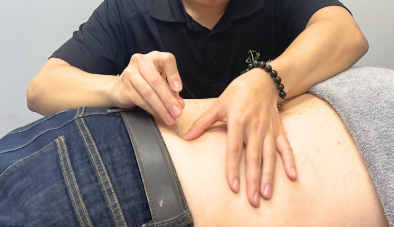
Dealing with back pain can raise a lot of questions—especially when it comes to deciding whether to keep moving or take a break. Understanding how your back responds to movement and treatment can make managing your symptoms much simpler.
Here are answers to five common questions about back pain, exercise, and when to seek medical help.
1. How Will Exercising Help Me Get Rid of Back Pain?
Exercise helps strengthen the muscles that support your back, making them better equipped to handle everyday movements and activities. As your overall strength and endurance improve, your body becomes more comfortable with movements that may have previously caused discomfort.
Regular physical activity also plays a key role in long-term relief: by keeping your muscles strong and resilient, exercise helps reduce the likelihood of future back pain returning.
2. Is It a Problem If I Get Pain When I Do Exercises?
Not necessarily! Some mild discomfort during exercise can be completely normal, provided it doesn’t significantly escalate the pain and settles down fairly quickly afterward.
Your physiotherapist can help you find a comfortable baseline for exercise and guide you in gradually increasing the difficulty as your strength and tolerance improve.
3. Why Does My Back Pain Keep Coming Back?
Back pain often recurs because the underlying causes—such as reduced muscle strength, low endurance, or long periods spent in static positions at work—may not have been fully addressed during your initial recovery.
Working with a physiotherapist can help you identify the factors contributing to your recurring pain. They can provide targeted strategies to improve your strength, movement, and confidence, helping lower the risk of future flare-ups.
4. Should I Always Get a Scan When I Get Back Pain?
In most cases, scans are not necessary. Most instances of back pain improve with appropriate advice, gentle exercise, and a gradual return to normal daily activities. Furthermore, scans frequently reveal structural changes in the spine that are completely normal, age-appropriate, and not the source of your pain.
A scan is typically only recommended if your symptoms are severe, failing to improve over time, or showing signs of a more complex issue. Your physiotherapist can evaluate your condition and determine if imaging is genuinely required.
5. When Should I See a Doctor for My Back Pain?
While most back pain is musculoskeletal in nature and responds well to conservative physical therapy, certain symptoms require immediate medical evaluation.
You should consult your GP or seek emergency care if your back pain is accompanied by any of the following warning signs:
- Sudden weakness in one or both legs.
- Sensations of pins and needles, or numbness, particularly around the groin or saddle area.
- Sudden loss of bladder or bowel control.
- Unexplained weight loss alongside your back pain.
Taking the Next Step
Back pain is extremely common, but you don’t have to navigate recovery alone. If your back pain is persistent, limiting your movement, or keeping you from the activities you enjoy, an assessment by a trained professional can help you build a safe, personalised return to movement.